
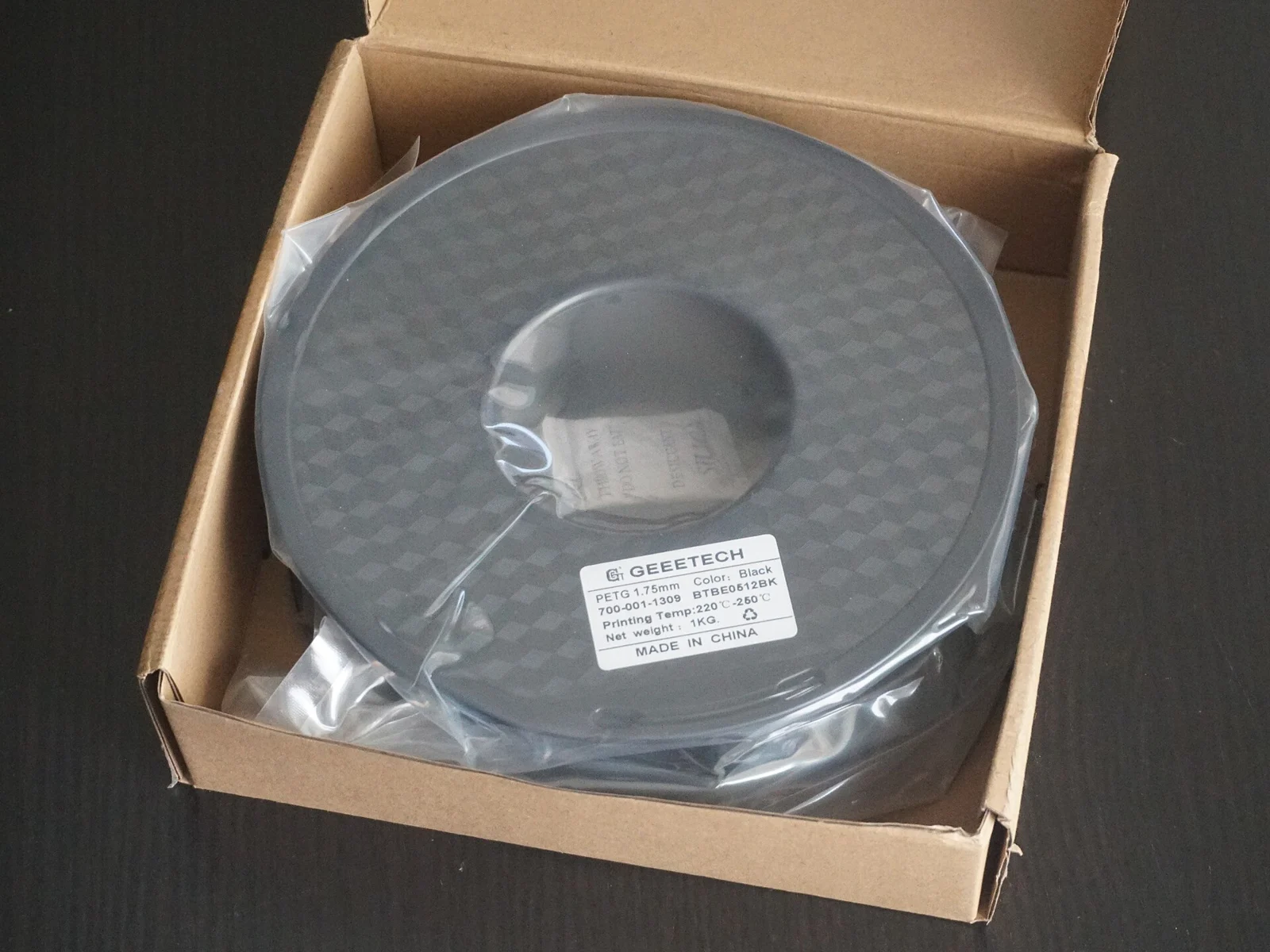
Start with the actual spool
Record the manufacturer, exact grade, diameter and reel type before choosing a drying cycle. “PETG” or “nylon” describes a family, not one agreed drying schedule. Additives, packaging and the spool itself can change the instructions. Keep the supplier’s page or data sheet with the job rather than copying a number from an unrelated reel.
Also record the symptom you want to investigate. Popping, a rough surface or inconsistent extrusion may prompt a moisture check, but they are not a direct water-content measurement. A nozzle issue, contamination or an unsuitable profile can create a different problem that drying will not resolve.
Drying removes water; storage limits exposure
A controlled dryer applies the conditions required to remove moisture. A sealed container with suitable desiccant helps preserve a condition after that step. Putting a wet reel into a dry box does not automatically give it the drying history its supplier requires.
Relative humidity is also temperature dependent. A low reading inside a warm dryer is not proof that the centre of every winding has reached the intended moisture condition. Use the material maker’s procedure, the equipment instructions and the complete cycle, rather than stopping when a display looks reassuring.

Check the equipment before the cycle
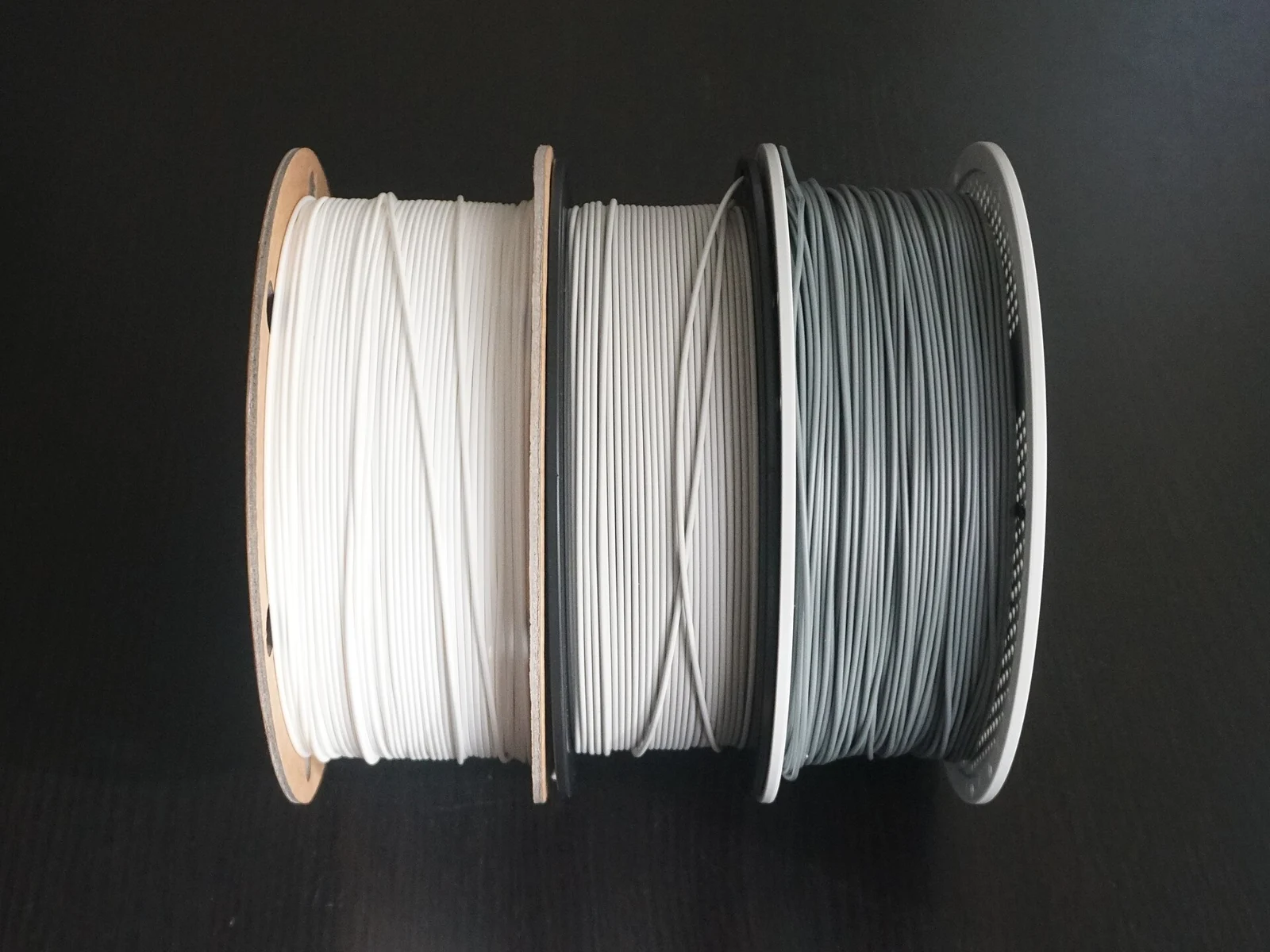
Compare the requested temperature and duration with the dryer’s operating capability, airflow instructions and reel dimensions. The reel and any refill carrier must tolerate the selected conditions. Do not raise the temperature beyond the spool maker’s limit to shorten a cycle.
Prusa’s drying reference distinguishes material families and warns about temperature control. Treat its figures as manufacturer guidance for the listed products, not a universal recipe for every brand. If your dryer cannot provide the documented process, that is an equipment mismatch to resolve before the print.
Protect a long print as well as the shelf
Some materials need protected feeding during use. Check whether the chosen dryer or box can feed that spool without excessive drag, tight bends or a blocked path. A flexible filament that prints well from a direct path may behave differently when pulled through a long tube.
After printing, label the reel and return it to sealed storage. Keep desiccant in the condition its supplier specifies. A small humidity indicator can help you notice changes in the container; it does not certify a filament or replace the manufacturer’s handling instructions.
Keep one useful record
A simple log can include spool identity, opening date, previous storage, the documented cycle, the actual equipment and the next print result. Make one process change at a time when investigating a defect. Retain the slicer profile and a photograph so a later comparison has a basis.
Add drying as a separate task when comparing materials economically. The cost calculator does not silently include dryer electricity or unattended preparation time. Enter the costs you intend to allocate, and keep once-only handling separate from the handling charged for each attempt. Compare the documented drying formats only after checking the conditions your spool needs.