
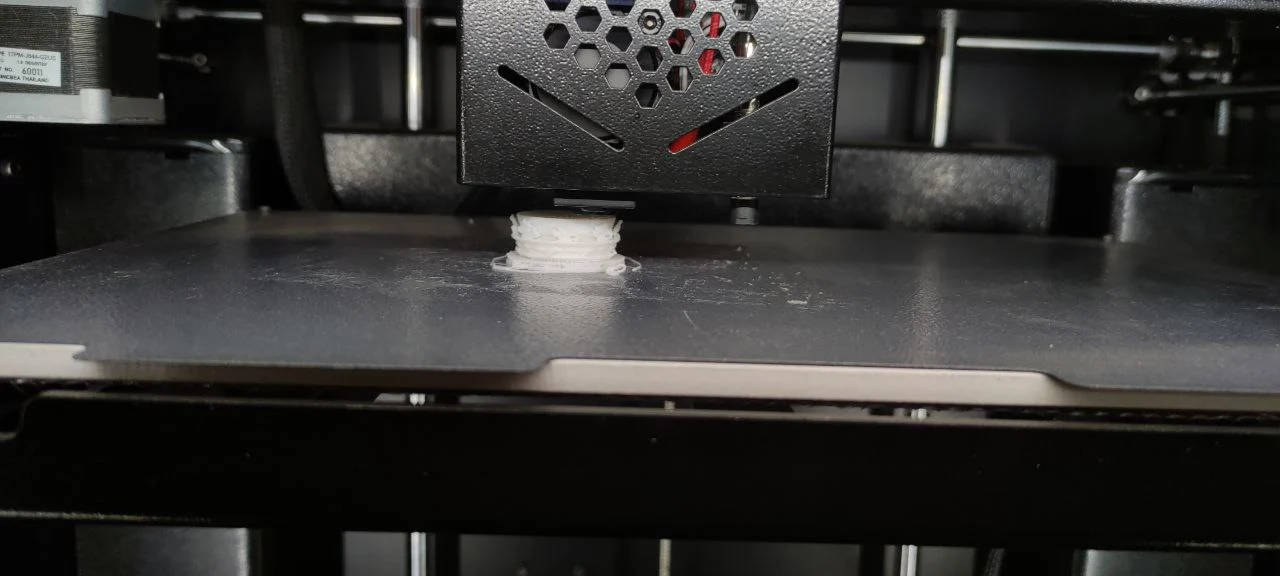
Match the hotend before the number
A diameter does not identify a compatible nozzle. Match the exact hotend ecosystem, assembly and manufacturer part. A Revo assembly is not a replacement for a V6 or a Nextruder part simply because the opening has the same nominal size.
Read the relevant service procedure for installation and temperature handling. Retain the part identity so the next operator knows which hardware is fitted. Do not assume a product photograph establishes thread, length or sealing compatibility.
Check the material against the hardware
Abrasive fillers can require wear-resistant hardware in the nozzle and elsewhere in the feed path. Compare the exact filament’s instructions with the hardware supplier’s material guidance. The word carbon in a product name does not establish that every nozzle can process it.
Some filled materials also have nozzle-size recommendations. Check the actual formulation instead of copying a plain-PLA setting. Keep the trade-off between feature detail, flow and reliability explicit.

Update the slicer deliberately
Choose the correct nozzle profile and review line widths, layer heights and other affected settings. Re-slice the job and inspect small features, supports and bridging. A profile that technically generates a path may still lose a detail that matters to the design.
The larger opening is only one limit on flow. The hotend, material, cooling and geometry also matter. Do not multiply a speed assumption solely by the change in nozzle diameter.
Recheck the complete job
Record the new sliced mass and time, including support and brim. Compare surface finish and support removal with the acceptance requirement. Inspect the first representative part before committing a whole production batch.
A quicker toolpath can still require more finishing. It can also change how many usable parts emerge from the run. Keep those observations separate from the forecast until you have comparable production evidence.
Use the new values in the cost comparison
Enter the new scenario in the cost calculator, retaining the same good quantity. Use your own machine, energy, handling and failure assumptions. Note that a hardware change can carry one-time service or setup work beyond the per-attempt model.
The Revo references in the shop retain their exact ecosystem and diameter. They are a way to inspect documented options, not a claim that any listed assembly fits every printer on this site.